
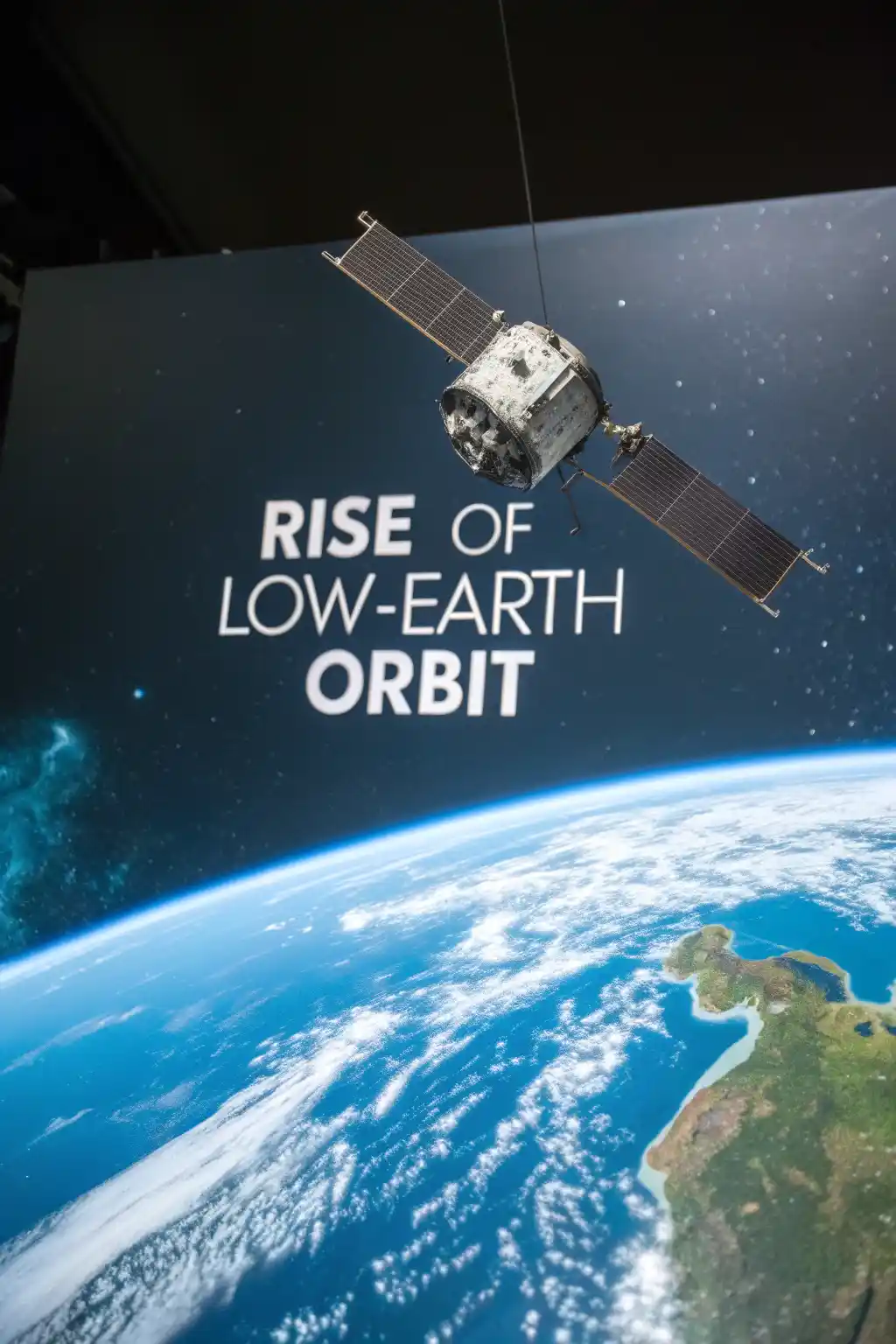
Satellites Above, Stars Below: The Rise of Low-Earth Orbit and Light Pollution
Original price was: $4.99.$2.99Current price is: $2.99.
Discover how Low-Earth Orbit (LEO) satellites like Starlink impact astronomy, space exploration, and global connectivity. This book explores the benefits, challenges, and ethical concerns of satellite constellations in the modern space era.
Satellites Above, Stars Below: The Rise of Low-Earth Orbit and Light Pollution (E-Book)
The 21st century has witnessed an unprecedented boom in Low-Earth Orbit (LEO) satellites, led by private companies like SpaceX (Starlink), OneWeb, and Amazon’s Project Kuiper. These satellite constellations promise global internet coverage, remote connectivity, and advancements in communications technology. However, their rapid expansion has also led to major concerns regarding light pollution, space debris, and long-term sustainability.
This book provides an in-depth analysis of LEO satellites, their technological impact, and the challenges they pose to astronomy, space exploration, and the natural night sky.
The Rise of LEO Satellites
Low-Earth Orbit satellites are not new, but their number and purpose have evolved significantly in recent years. Traditional satellite deployments primarily focused on scientific research, weather monitoring, and government communications. However, private companies are now launching thousands of satellites for commercial applications, particularly global broadband internet.
Some of the most notable LEO satellite projects include:
- Starlink (SpaceX) – Aims to deploy over 40,000 satellites for high-speed global internet.
- OneWeb – Plans for a 648-satellite constellation providing internet access to remote locations.
- Amazon Kuiper – A planned constellation of over 3,000 satellites to compete with Starlink.
- Telesat and China’s GuoWang – Other emerging satellite projects looking to establish global communication networks.
While these projects promise unprecedented connectivity, they come with several unintended consequences, particularly astronomical interference and environmental concerns.
The Impact of LEO Satellites on Astronomy
One of the biggest challenges posed by the explosion of LEO satellites is their disruption to astronomical observations. Modern telescopes rely on clear, dark skies to observe celestial objects. However, the reflection from thousands of satellites in orbit creates light trails that interfere with observations.
How LEO Satellites Affect Astronomy:
- Bright satellite trails disrupt long-exposure astrophotography.
- Interference with radio astronomy affects signals from distant cosmic sources.
- Increasing sky clutter makes it harder to detect near-Earth objects (NEOs) like asteroids.
Organizations like the International Astronomical Union (IAU) have raised concerns about the impact on scientific research. Efforts to mitigate these effects include designing satellites with darker coatings and adjusting orbits to reduce visibility, but challenges remain.
Light Pollution and Its Consequences
LEO satellites contribute significantly to light pollution, which affects both astronomers and everyday sky watchers. The natural beauty of the night sky is disappearing as artificial sources of light grow.
Major Concerns Regarding Light Pollution:
- Declining visibility of stars and constellations affects amateur and professional stargazing.
- Human circadian rhythm disruptions due to excessive artificial lighting in urban areas.
- Ecosystem disruptions, particularly for nocturnal animals that rely on darkness for survival.
While traditional sources of light pollution include streetlights and urban development, the proliferation of satellites adds a new dimension to the problem. The need for international regulations to minimize the brightness of satellites is becoming increasingly urgent.
The Growing Problem of Space Debris
As thousands of satellites are launched into orbit, concerns about space debris and orbital congestion are growing. Unused satellites, defunct spacecraft, and fragments from collisions pose a serious risk to active missions and future space travel.
Dangers of Space Debris:
- Increased risk of satellite collisions, potentially triggering the Kessler Syndrome.
- Threat to space missions, including crewed flights and robotic explorations.
- Complicated future satellite deployments, as more objects congest Earth’s orbit.
Experts suggest that deorbiting mechanisms, automated collision avoidance, and better regulations are essential to prevent space from becoming too crowded.
The Commercialization of Space and Ethical Concerns
The rapid deployment of LEO satellites raises ethical and regulatory questions about who controls space. Traditionally, space was dominated by government agencies like NASA, ESA, and Roscosmos. However, private companies now play a major role in space innovation and satellite deployment.
Key Ethical Issues:
- Should private companies have unrestricted access to orbit?
- Who is responsible for regulating satellite congestion?
- How do we ensure fair access to space for all nations?
As space becomes more commercialized, legal frameworks must evolve to ensure responsible and sustainable development.
Solutions and Future Mitigation Strategies
While challenges exist, several solutions can help reduce the negative effects of LEO satellites. Space organizations and companies are exploring new technologies and policies to mitigate the impact.
Potential Solutions:
- Low-reflectivity satellite coatings to reduce light pollution.
- Strict orbital disposal plans to prevent debris accumulation.
- International agreements to regulate satellite launches and minimize space congestion.
Who Should Read This Book?
This book is designed for anyone interested in the future of space exploration and technology. Whether you are a space enthusiast, policymaker, scientist, or casual stargazer, this book provides valuable insights into the changing dynamics of our skies.
This book is perfect for:
- Astronomers & Astrophotographers – Learn how LEO satellites impact observational astronomy.
- Space Industry Professionals – Understand the future of satellite technology and regulations.
- Environmentalists & Policymakers – Explore the sustainability challenges of mega-constellations.
- Students & Educators – Gain a comprehensive understanding of LEO satellite technology and its effects.
Key Takeaways from This Book
✔ How LEO satellites are reshaping global internet access and communication.
✔ The consequences of space pollution and the loss of natural night skies.
✔ The risks posed by space debris and potential solutions.
✔ The balance between commercial space innovation and ethical responsibility.
Conclusion: What Lies Ahead?
The era of Low-Earth Orbit satellite constellations has only just begun. While these technologies promise faster internet, better communications, and expanded global connectivity, they also present significant challenges to astronomy, space safety, and the natural environment.
As nations and private companies continue their push into space, the conversation about sustainability, regulations, and ethical responsibility will only grow louder. The decisions we make today will determine whether space remains a shared resource for all of humanity or becomes a battleground for commercial interests.
This book invites readers to explore the facts, consider the challenges, and think critically about the future of space innovation.
Order your copy today and join the discussion about the future of our skies! 🚀
Follow The Author On Youtube
For Any Queries Visit Contact Us Page
Only logged in customers who have purchased this product may leave a review.
Vendor Information
- Store Name: Vellanox
- Vendor: Vellanox
- No ratings found yet!

Beyond the Horizon: James Webb’s Exploration of the Cosmos
Unveiling Celestial Masterpieces: WR140’s Concentric Rings Through Webb’s Lens
Stellar Beginnings: Unveiling Star Formation in the Distant Galaxies of the Early Universe

Breakthrough Listen and the New Frontier of the Search for Extraterrestrial Intelligence

Comet NEOWISE: A Historic Encounter That Captivated the World

Mars Bound: Unveiling SpaceX and NASA’s Plans for the First Human Settlement
Related products
Comet NEOWISE: A Historic Encounter That Captivated the World

Parker Solar Probe: A New Era in Sun Exploration

Red Planet Revelations: Insights from Perseverance and InSight on Mars

Simplified Environmental Geography: Exploring the Relationship Between Nature and Society by Dr. Krishnanand
Simplified Oceanography: Unlocking the Secrets of the Seas with Dr. Krishnanand
Simplified Political Geography: A Comprehensive Guide by Dr. Krishnanand
Simplified Population Geography: Unlocking the Dynamics of Human Populations
Reviews
There are no reviews yet.